The Human Stress Response: Biopsychosocial Overview & Evidence-Based Approaches for Resilience
· 8 min read
Stress is one of the most overused words in modern health conversation, yet most people have a surprisingly incomplete picture of what it actually is. Stress is not simply feeling overwhelmed or anxious. It is a coordinated, whole-body physiological response involving the nervous system, endocrine system, immune system, and cardiovascular system, shaped simultaneously by your biology, your psychology, and your social environment. Understanding the full biopsychosocial picture of stress is essential to treating it effectively. When patients come to me with burnout, anxiety, sleep disruption, digestive problems, hormonal imbalances, or persistent inflammation, stress dysregulation is almost always part of the story. And the path to genuine resilience requires working at all three levels — not just managing symptoms.
The Physiology: What Stress Does to Your Body
When the brain perceives a threat — whether physical, psychological, or social — it activates two overlapping stress pathways. The first is the sympathetic-adrenal-medullary (SAM) axis, which triggers an immediate release of adrenaline (epinephrine) and noradrenaline from the adrenal medulla. This produces the classic fight-or-flight response: heart rate accelerates, blood pressure rises, pupils dilate, blood is redirected from the digestive tract to the skeletal muscles, and glucose is rapidly mobilized for energy. This response can activate within seconds and is designed for short-term survival situations.
The second pathway, the hypothalamic-pituitary-adrenal (HPA) axis, operates more slowly and sustains the stress response over a longer period. The hypothalamus releases corticotropin-releasing hormone (CRH), which signals the pituitary gland to release adrenocorticotropic hormone (ACTH), which in turn stimulates the adrenal cortex to produce cortisol. Cortisol prolongs the availability of glucose, suppresses non-essential functions (including digestion, reproduction, and immune surveillance), and modulates inflammation. This is adaptive in the short term: cortisol helps you sustain focus, mobilize energy, and cope with immediate demand. Under healthy conditions, once the stressor resolves, a negative feedback loop signals the hypothalamus and pituitary to stand down, and cortisol levels return to baseline.
The problem is that this system evolved for acute, time-limited threats — not the chronic, unrelenting stressors of contemporary life. When the HPA axis is chronically activated, cortisol remains persistently elevated, and over time the feedback system can become dysregulated. Research published in the journal Psychoneuroendocrinology has documented how chronic HPA activation contributes to insulin resistance, visceral fat deposition, immune dysregulation, hippocampal atrophy (with associated memory and mood impairment), disrupted sleep architecture, and accelerated cellular aging. These are not abstract risks; they are well-documented physiological consequences that I see reflected in patients' lab work and symptom histories every week.
Acute vs. Chronic Stress: Where the Real Damage Occurs
It is important to distinguish between acute and chronic stress, because they have fundamentally different effects on health. Acute stress — a hard workout, a challenging conversation, a tight deadline — is not only tolerable but often beneficial. Hormesis, the phenomenon whereby a moderate stressor triggers an adaptive response that leaves the organism stronger, underpins much of our understanding of exercise physiology, immune training, and cognitive resilience. Brief cortisol spikes followed by full recovery strengthen the system.
Chronic stress, by contrast, is characterized by a stress response that never fully resolves. The nervous system stays in a low-grade state of hypervigilance; cortisol patterns flatten (often resulting in the 'tired but wired' presentation where morning cortisol is blunted and evening cortisol remains elevated); inflammatory cytokines remain chronically upregulated; and the autonomic nervous system tilts persistently toward sympathetic dominance at the expense of parasympathetic (rest-and-digest) activity. A landmark review in Nature Immunology established that chronic psychological stress is among the most potent drivers of systemic inflammation, linking it to cardiovascular disease, autoimmune conditions, depression, and accelerated biological aging. The cumulative burden of unresolved stressors — measured clinically through tools like allostatic load assessment — predicts health outcomes as reliably as traditional biomarkers like blood pressure or cholesterol.
The Psychological Dimension: How Perception Shapes the Response
One of the most important insights in stress research — and one that has profound clinical implications — is that the physiological stress response is not determined by the objective severity of a stressor but by how the nervous system appraises it. Cognitive appraisal theory, developed by psychologist Richard Lazarus, established that stress arises from a mismatch between perceived demands and perceived coping resources. Two people can face the exact same situation and have radically different physiological responses based on their interpretation, their sense of control, and their belief in their capacity to cope.
This is not just a psychological insight; it has direct biological consequences. Neuroimaging research has demonstrated that the same physiological fear circuits — including the amygdala, the brain's primary threat-detection centre — are activated equally by real and imagined threats. Anticipatory anxiety, rumination about past events, and catastrophic thinking all sustain HPA axis activation in the absence of any real-world stressor. This is why cognitive-behavioral approaches, mindfulness-based stress reduction (MBSR), and psychological flexibility training show measurable effects on cortisol rhythms, inflammatory markers, and autonomic nervous system tone. A 2014 meta-analysis in Brain, Behavior, and Immunity found that mindfulness-based interventions produced significant reductions in cortisol and inflammatory biomarkers across a broad range of populations.
Trauma history adds another layer of complexity. Adverse childhood experiences (ACEs) and developmental trauma shape the calibration of the stress response system itself, often resulting in a lower threat threshold and reduced capacity for self-regulation in adulthood. In my practice, I find that patients whose stress symptoms don't respond adequately to nutritional and lifestyle interventions frequently have an unaddressed trauma component that requires specific psychological support alongside naturopathic care.
The Social Dimension: Context Is Not Separable from Biology
The biopsychosocial model, first articulated by physician George Engel in 1977, recognized that health cannot be reduced to biology alone. Social factors — relationships, social status, community belonging, economic security, workplace conditions, and experiences of discrimination — are not merely background context. They are direct inputs into the physiological stress response, mediated through the same neuroendocrine pathways as physical threats.
Research on social determinants of health has consistently shown that social isolation is one of the most potent activators of chronic stress biology. A 2015 meta-analysis by Holt-Lunstad and colleagues, published in Perspectives on Psychological Science, found that loneliness and social isolation increased mortality risk by 26 to 29 percent — comparable to smoking 15 cigarettes per day. Social hierarchies also matter: decades of research on the 'status syndrome' (notably the Whitehall Studies in British civil servants) demonstrates that lower socioeconomic status is independently associated with elevated cortisol, greater allostatic load, and shorter lifespan, even after controlling for health behaviours. For patients on Salt Spring Island, I am also attentive to how rural isolation, seasonal darkness, and limited access to services can compound stress load in ways that are easy to miss in a standard clinical history.
Evidence-Based Approaches for Building Resilience
Resilience — the capacity to absorb stress and return to equilibrium — is not a fixed trait. It is a trainable biological and psychological state with measurable physiological correlates, particularly heart rate variability (HRV), which reflects the flexibility and responsiveness of the autonomic nervous system. Higher HRV is associated with greater stress resilience, better emotional regulation, lower inflammatory tone, and improved cardiovascular outcomes. Most of the evidence-based resilience interventions I use with patients work, at least in part, by improving HRV and restoring parasympathetic tone.
Breathwork is one of the most accessible and well-validated tools available. Slow, diaphragmatic breathing at a rate of approximately five to six breaths per minute (sometimes called resonance frequency breathing or coherent breathing) directly stimulates the vagus nerve via the baroreflex, producing rapid and measurable increases in HRV. A 2017 meta-analysis in Frontiers in Psychology found that slow-paced breathing consistently reduces perceived stress, anxiety, cortisol, and blood pressure while improving HRV across both healthy and clinical populations. Even five minutes of slow breathing practiced twice daily produces cumulative neurological benefits within weeks.
Nutritional support for the HPA axis and nervous system is an important naturopathic contribution to resilience. Magnesium, depleted by stress and inadequate in many Canadian diets, acts as a physiological brake on NMDA receptors and HPA axis activity; low magnesium is independently associated with elevated cortisol and increased anxiety. Adaptogenic herbs — particularly ashwagandha (Withania somnifera), rhodiola, and eleuthero — have clinical evidence supporting their ability to modulate HPA axis reactivity and reduce the biological burden of chronic stress without stimulating or sedating effects. Omega-3 fatty acids, B vitamins (especially B5 and B6 for adrenal function), and adequate protein for neurotransmitter synthesis round out the foundational nutritional priorities. I assess these through functional lab work rather than guessing, since individual needs vary considerably.
Sleep is not a passive recovery activity — it is an active biological process during which the brain consolidates memory, clears metabolic waste through the glymphatic system, and resets the HPA axis. Chronic sleep restriction maintains elevated evening cortisol and impairs the normal overnight decline in inflammatory cytokines, sustaining the stress cycle even without new stressors. Treating stress effectively requires treating sleep simultaneously, and vice versa. Exercise, social connection, time in nature, and — where appropriate — structured psychological support such as CBT or somatic therapies complete the resilience toolkit. None of these work in isolation; the evidence most consistently supports a multi-domain approach that addresses the biological, psychological, and social dimensions of stress together.
Key Takeaways
- The stress response is a coordinated biological event involving the HPA axis, sympathetic nervous system, and immune system — not simply a feeling.
- Chronic unresolved stress drives inflammation, hormonal dysregulation, and accelerated aging through sustained HPA axis activation.
- How you perceive and appraise a stressor matters as much as the stressor itself — cognitive and psychological interventions have measurable effects on cortisol and inflammatory markers.
- Social factors including isolation, status, and relational safety are direct inputs into the stress response, not just background context.
- Resilience is trainable through breathwork, HRV-based practices, targeted nutrition, sleep optimization, and integrated psychological support.
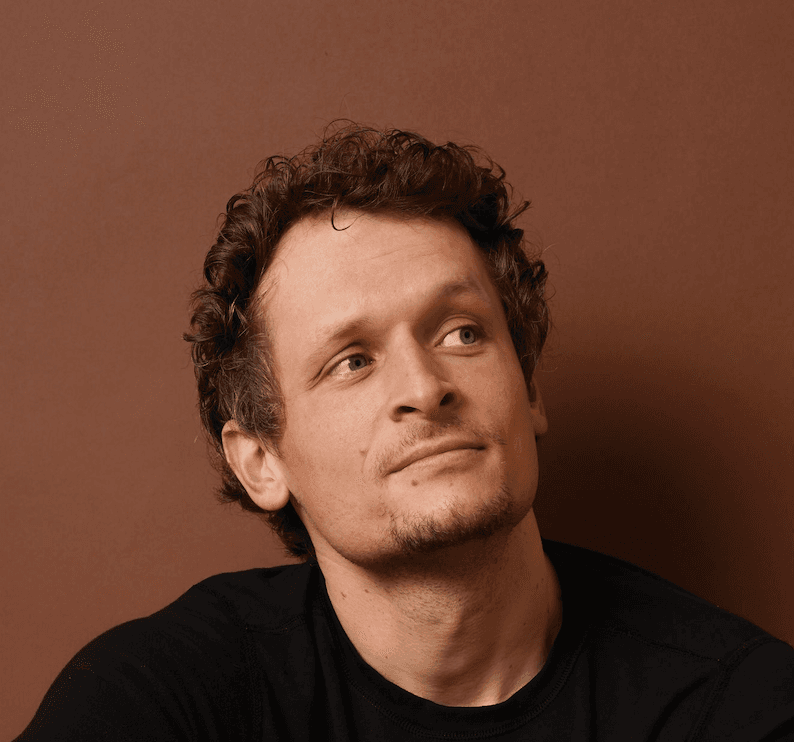
Naturopathic doctor on Salt Spring Island with over 13 years of clinical experience in integrative medicine. McGill University and Boucher Institute of Naturopathic Medicine graduate. Member of the Canadian Association of Naturopathic Doctors.
Related Resources
Ready to get started?
Book a consultation and I'll build a treatment plan tailored to your health goals.