Lyme Disease Testing on Salt Spring Island
Advanced detection for tick-borne infections.
Lyme disease testing detects Borrelia burgdorferi and common co-infections (Bartonella, Babesia, Ehrlichia, Anaplasma) that are transmitted through tick bites. Standard two-tier testing misses a significant number of cases, which is why I use advanced testing methods designed to catch infections that conventional screening overlooks.
Lyme disease is the fastest-growing vector-borne illness in North America. The Public Health Agency of Canada reports that confirmed Lyme cases have increased significantly over the past decade, with British Columbia identified as an area of expanding tick populations. Standard testing (ELISA followed by Western Blot) has well-documented sensitivity limitations. Research in Clinical Infectious Diseases estimates that standard two-tier testing can miss up to 50% of early Lyme cases and a significant percentage of chronic cases.
I use advanced testing methods that improve detection accuracy. These may include specialized immunoblot panels with expanded antigen coverage, culture-based testing, and PCR (polymerase chain reaction) to detect Borrelia DNA directly. Equally important is testing for co-infections (Bartonella, Babesia, and other tick-borne organisms that frequently accompany Lyme and contribute to the complexity of symptoms).
Diagnosing Lyme disease requires clinical judgment alongside lab results. I consider your symptom pattern, exposure history, and the full range of test results when making a diagnosis. If Lyme or co-infections are confirmed, treatment involves a combination of antimicrobial protocols (pharmaceutical and botanical), immune support through IV therapy and supplementation, and strategies to manage the inflammatory and neurological components of the disease.
Why Lyme Disease Testing
Advanced Detection
Testing methods that go beyond standard two-tier screening to catch infections conventional tests miss.
Co-Infection Coverage
Screens for Bartonella, Babesia, and other tick-borne organisms that complicate diagnosis and treatment.
Clinical Correlation
Lab results interpreted alongside symptoms and exposure history for accurate diagnosis, not just numbers.
Who Lyme Disease Testing Is For
Known Tick Bite or Exposure
Chronic Fatigue with No Explanation
Migrating Joint Pain
Neurological Symptoms (Numbness, Tingling)
Cognitive Decline & Brain Fog
Heart Palpitations
Unexplained Bell's Palsy
Chronic Pain Syndromes
Failed Standard Lyme Testing
Multi-System Symptoms
What to Expect
Clinical Assessment
I evaluate your symptoms, exposure history, and previous test results to determine the most appropriate testing strategy.
Blood Draw
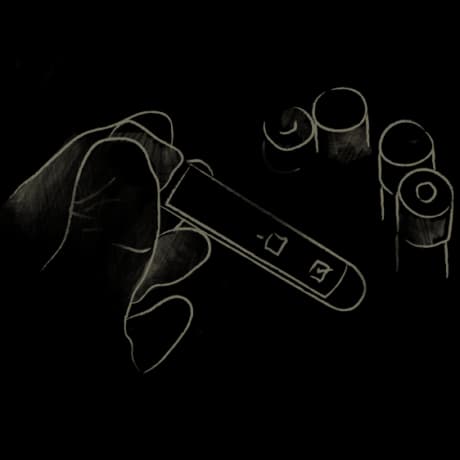
A blood draw at my office. Samples are sent to specialized labs that offer advanced Lyme and co-infection testing panels.
Results in 2-4 Weeks
Results return with detailed antibody and/or PCR findings for Borrelia and co-infections.
Diagnosis & Treatment Plan
I interpret results in the context of your clinical picture and, if positive, design a comprehensive treatment protocol combining antimicrobials, immune support, and symptom management.
Frequently Asked Questions
Related Services
IV & Injection Therapy
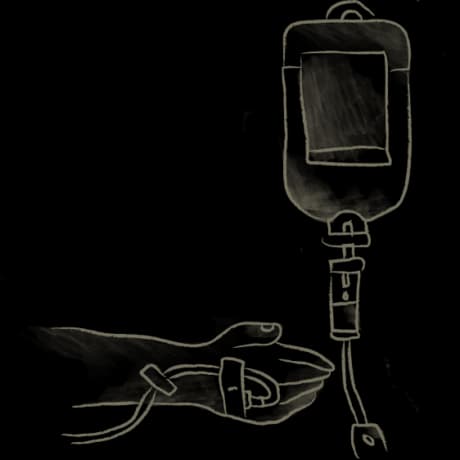
IV therapy delivers vitamins, minerals, amino acids, and antioxidants directly into the bloodstream, bypassing the digestive system for maximum absorption and immediate therapeutic effect.

Herbal Medicine
Herbal remedies carry centuries of traditional wisdom alongside modern research. I use them daily in practice for everything from stress and sleep to digestive complaints and immune resilience. Each formula is tailored to your constitution, your symptoms, and your goals.

Targeted Supplementation
Not all supplements are created equal, and more isn't always better. I prescribe professional-grade supplements based on your lab work, health history, and specific deficiencies. The goal is precision: the right nutrients, in the right forms, at the right doses.
Ready to get started?
Book a consultation and I'll build a treatment plan tailored to your health goals.