Mold Toxicity Testing on Salt Spring Island
Detect mycotoxins driving chronic illness.
Mold toxicity testing measures mycotoxins (toxic compounds produced by mold species like Aspergillus, Stachybotrys, and Penicillium) that accumulate in the body after exposure. Mycotoxin illness is increasingly recognized as a root cause of complex, multi-system symptoms that resist conventional treatment.
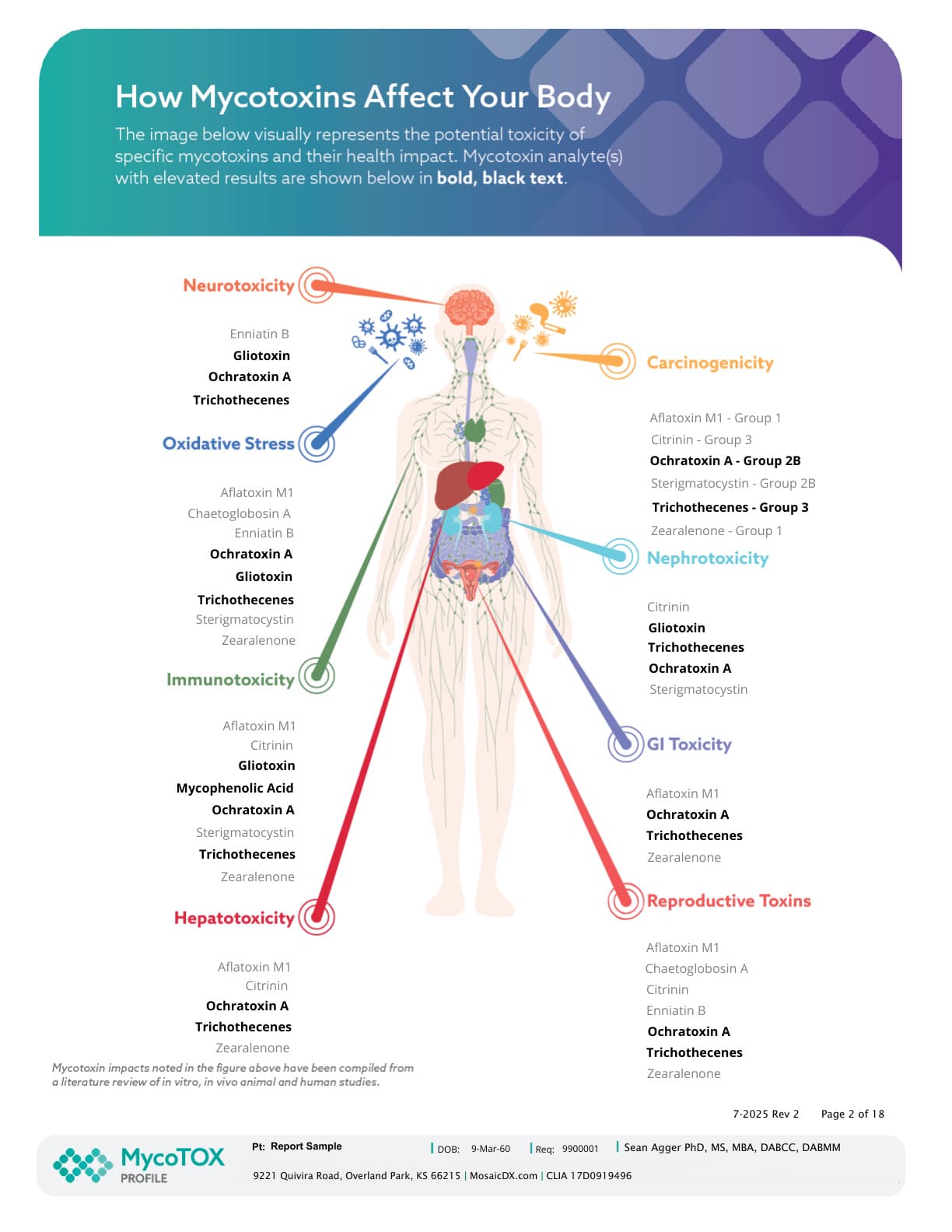
Mold exposure is far more common than most people realize. Water-damaged buildings, which include up to 50% of North American structures according to research published in the journal Indoor Air, are the primary source. Mycotoxins are small enough to become airborne, be inhaled, and enter the bloodstream, where they can disrupt immune function, trigger chronic inflammation, and impair neurological and hormonal health. Patients with certain genetic predispositions (HLA-DR gene variants) are particularly vulnerable because their immune systems struggle to clear these toxins.
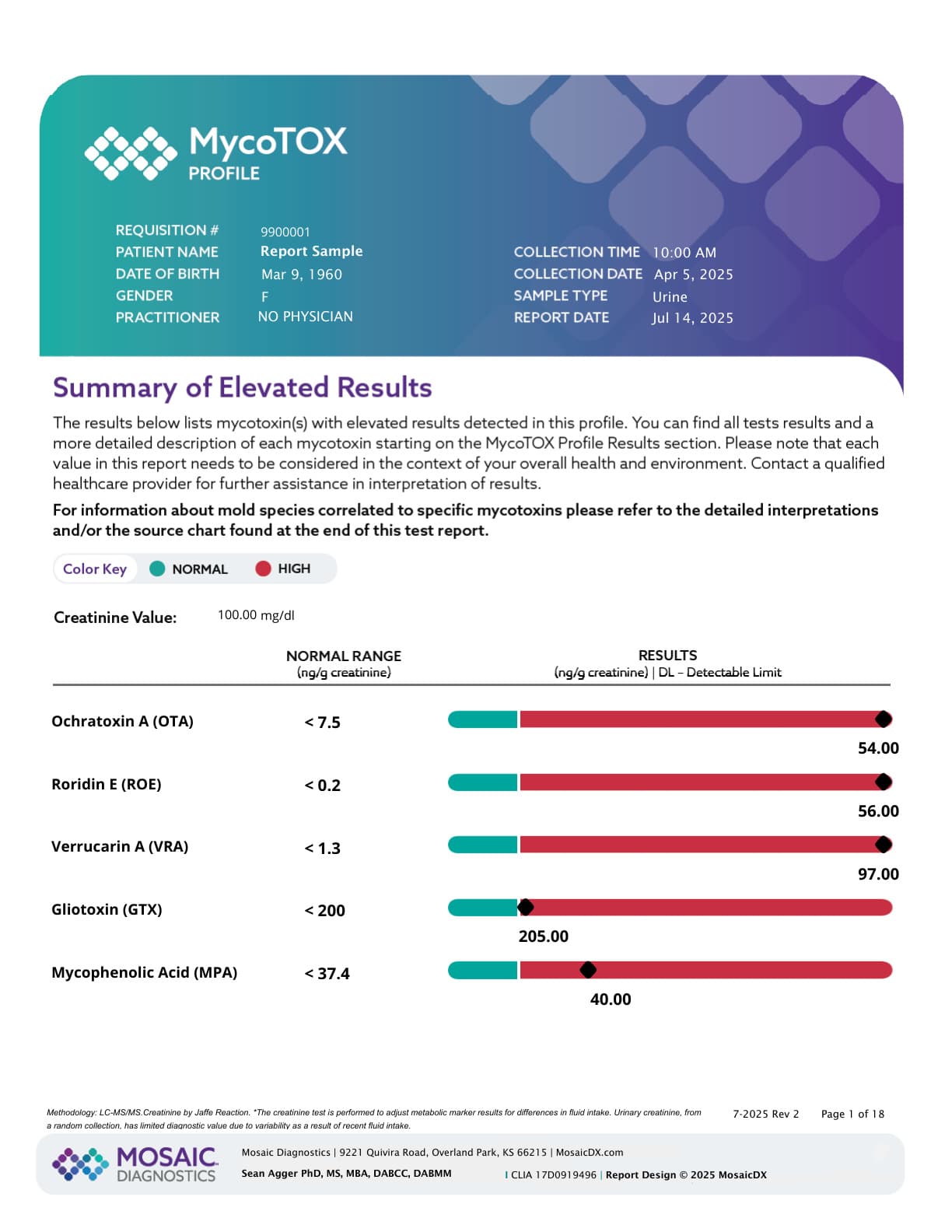
I use a urine mycotoxin panel that tests for a broad range of mycotoxins including ochratoxin A, aflatoxins, gliotoxin, and trichothecenes. This testing reveals whether your body is carrying a significant mycotoxin burden, information that standard blood tests and conventional workups simply don't capture. Research in the journal Toxins demonstrates that urinary mycotoxin testing is a clinically useful tool for identifying patients with mold-related illness.
When mycotoxin burden is confirmed, treatment focuses on binding and removing toxins (using agents like cholestyramine, activated charcoal, and clay binders), supporting detoxification pathways with targeted supplementation, reducing inflammation, and restoring immune function. Equally important is identifying and remediating the source of exposure. I work with you on all fronts to build a comprehensive recovery plan.
Why Mold Toxicity Testing
Mycotoxin-Specific Detection
Identifies the exact mycotoxins present in your body, guiding a targeted detoxification protocol.
Explain the Unexplainable
Mycotoxin illness mimics many conditions. This test often provides answers when everything else has come back normal.
Comprehensive Recovery Plan
Results inform binder protocols, detox support, immune restoration, and environmental remediation strategies.
Who Mold Toxicity Testing Is For
History of Water-Damaged Building Exposure
Chronic Fatigue Unresponsive to Treatment
Brain Fog & Cognitive Dysfunction
Chronic Sinus & Respiratory Issues
Unexplained Inflammatory Symptoms
CIRS (Chronic Inflammatory Response Syndrome)
Histamine Intolerance
Chemical Sensitivity
Autoimmune Flares
Hormonal Disruption
Sample Report
What to Expect
Exposure History Review
I assess your living and work environments, symptom timeline, and previous test results to determine if mycotoxin testing is appropriate.
First Morning Urine
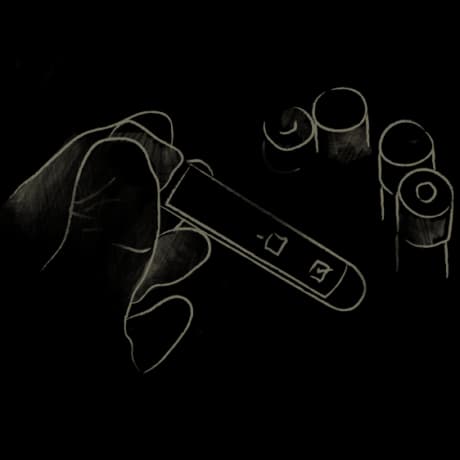
You collect a first morning urine sample at home using a provided kit. Some protocols include a glutathione provocation before collection to mobilize stored mycotoxins.
Results in 2-3 Weeks
The lab analyzes your sample for a comprehensive panel of mycotoxins. Results return with levels for each toxin tested.
Treatment & Remediation Plan
I review results with you and design a protocol combining binder therapy, detoxification support, and immune restoration, alongside guidance on addressing the environmental source.
Frequently Asked Questions
Related Services

Targeted Supplementation
Not all supplements are created equal, and more isn't always better. I prescribe professional-grade supplements based on your lab work, health history, and specific deficiencies. The goal is precision: the right nutrients, in the right forms, at the right doses.
IV & Injection Therapy
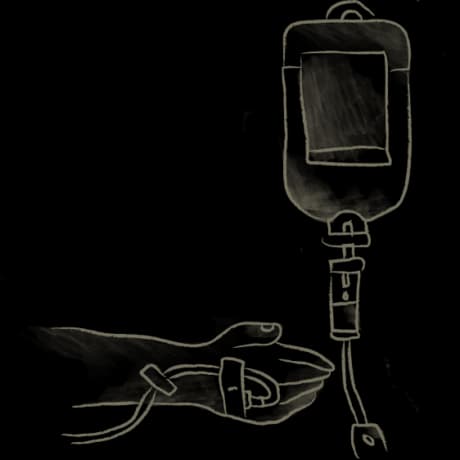
IV therapy delivers vitamins, minerals, amino acids, and antioxidants directly into the bloodstream, bypassing the digestive system for maximum absorption and immediate therapeutic effect.

Clinical Nutrition
Clinical nutrition addresses nutrient deficiencies, optimizes digestion, and builds a plan around your life. Whether you're managing a chronic condition, working through gut issues, or just want to feel better day-to-day, I'll focus on whole foods, targeted supplementation, and realistic lifestyle shifts.
Ready to get started?
Book a consultation and I'll build a treatment plan tailored to your health goals.